WWE pay cuts have become the biggest backstage story in professional wrestling. Multiple WWE wrestlers have been asked to accept salary reductions by parent company TKO, with some accepting and others — most notably The New Day’s Kofi Kingston and Xavier Woods — choosing to leave rather than take less money. A “pretty majorly pushed” WWE talent reportedly agreed to a 50% pay cut, and sources confirm that more renegotiations are coming. These departures have reshaped the complete WWE roster heading into Backlash.
Here is everything we know about the WWE pay cuts in 2026 — which stars were asked, who accepted, who refused, why TKO is slashing salaries despite record executive pay, and what it means for the future of WWE contracts.
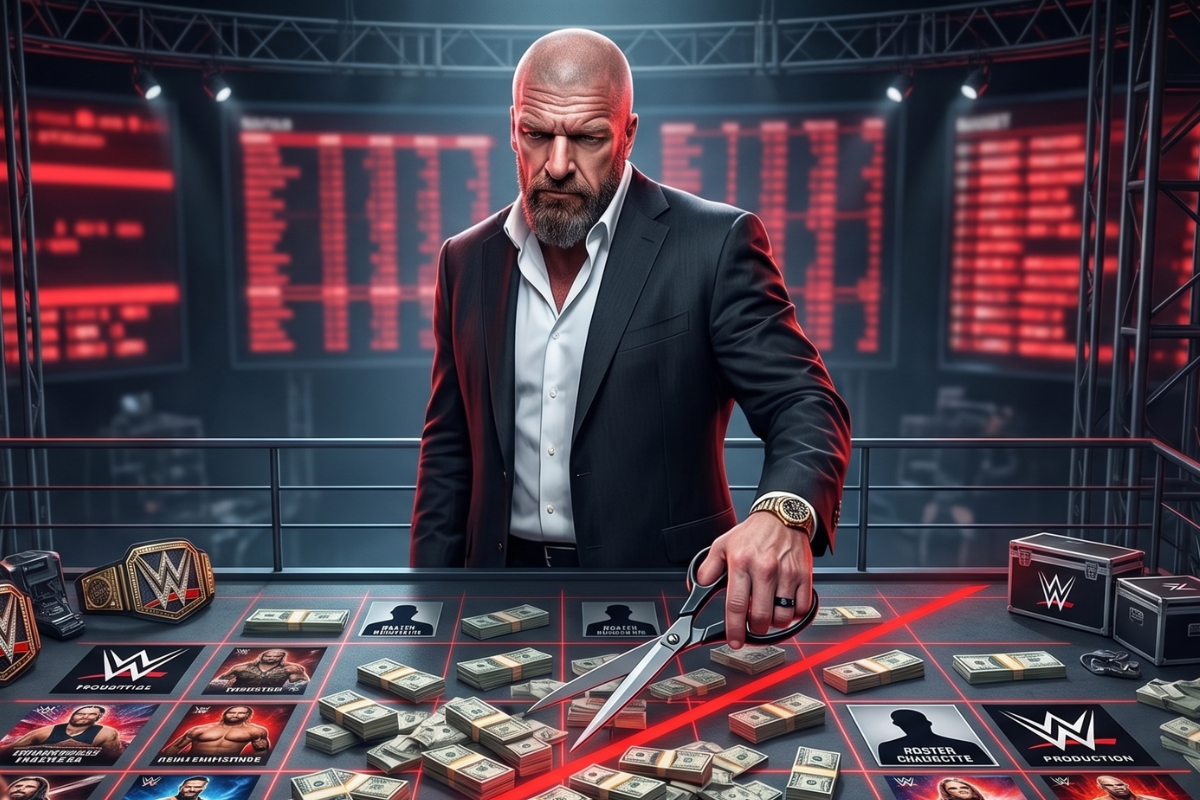
What’s Happening With WWE Pay Cuts In 2026?
The WWE salary cuts emerged in waves over a two-week period following WrestleMania 42:
April 24: WWE released 25 superstars in a single day, including Aleister Black, Kairi Sane, the entire Wyatt Sicks, Motor City Machine Guns, and Alba Fyre. At the time, these appeared to be standard post-WrestleMania roster cuts.
May 2: The New Day (Kofi Kingston and Xavier Woods) mutually parted ways with WWE after refusing to restructure contracts they had signed just one year earlier. JC Mateo (Jeff Cobb) and Tonga Loa of the MFTs were also released, pushing the total departures past 29.
May 4: Reports confirmed that “a number of people were asked to take pay cuts.” Several talents accepted the reduced terms. Some reported that a “pretty majorly pushed” WWE talent was asked to take a WWE 50% pay cut and allegedly accepted.
May 5: TKO had tasked WWE with trimming “millions” from its payroll expenses. SEC filings revealed that TKO executives received enormous pay increases during the same period.
The picture is now clear: this is not a one-time post-WrestleMania housecleaning. TKO is systematically restructuring WWE talent contracts downward, and the process is ongoing.
Which WWE Stars Were Asked To Take Pay Cuts?
No full list of WWE wrestlers who accepted pay cuts has been made public. Here is what has been confirmed by multiple industry sources:
Kofi Kingston and Xavier Woods (The New Day) — REFUSED, RELEASED
The most high-profile casualties of the WWE pay cuts. Kingston and Woods had signed five-year contract extensions in 2025 — meaning they were just one year into new deals when TKO asked them to restructure into reduced TKO contracts. Both were given two days to decide. They quickly determined they would rather leave than accept the terms, walking away from millions of dollars remaining on their deals over the next four years. Kingston’s departure ended a 20-year WWE career. Woods had been with the company for 16 years.
Bryan Alvarez confirmed the timeline: “In the case of New Day, it was their decision to leave based on what TKO was offering for a new deal.” WWE moved both men to the alumni section of its website immediately after the departure, and multiple sources expressed internal disappointment that the company never publicly acknowledged The New Day’s contributions.

Unnamed “Majorly Pushed” Talent — ACCEPTED WWE 50% PAY CUT
Reports state that “a pretty majorly pushed WWE talent” was asked to take a 50% pay cut and allegedly agreed. The identity of the wrestler has not been confirmed — Johnson noted he could not verify the claim with complete certainty. The timing of the report (one day before The New Day’s departure became public) suggests the pay cut requests were happening simultaneously across the roster.
A WWE 50% pay cut for a “majorly pushed” talent is staggering. Based on the highest paid WWE wrestlers salary list, upper-midcard to main event performers earn $1-5 million per year. A 50% cut would mean a reduction of $500,000 to $2.5 million annually — for someone actively featured on television.
“Several” Others — ACCEPTED REDUCED TERMS
Alvarez confirmed that “several people were asked to take pay cuts and they took them,” adding that he did not know how many or who. He emphasised that this is not a one-time situation: “As time goes on, there will be more of these. In fact, there definitely will be.”
Santos Escobar — RELEASED (contract situation unclear)
Escobar had signed a new WWE deal within the last year before being released on April 24. Whether he was asked to accept a pay cut before being let go, or was simply released outright, has not been confirmed. His situation mirrors The New Day’s — a recently signed deal that TKO chose to restructure or terminate.
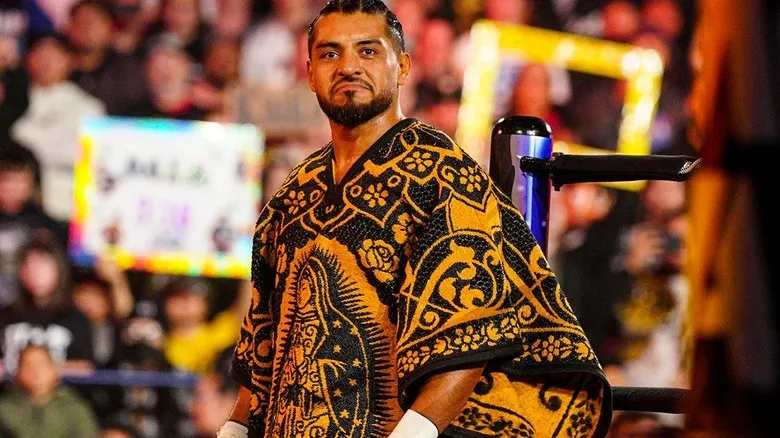
Killer Kross — PRECEDENT (2025)
While not part of the current wave, Kross’ experience is relevant context. He claimed he was given just one day to decide on a contract offer from WWE last year. Sources within the industry described compressed decision timelines as part of TKO’s negotiation approach — some wrestlers were approached about new contracts during overseas tours, sometimes well before they expected to be in negotiations. Industry observers viewed this as an attempt to get talent to sign before their representatives could properly review terms.
These stars join the 25 superstars released on April 24, bringing the confirmed total to 30 — with Alvarez warning that more are coming.
Who is safe from WWE pay cut?
Sources confirmed that top-tier earners like Roman Reigns, who occupies the upper echelon of the talent pool, have not been asked to renegotiate. The pay cuts appear to be targeting mid-tier and upper-midcard contracts rather than the absolute top of the card.
While veterans are being asked to take 50% cuts, rising stars like Jacob Fatu earn $500K-$1 million — lower contracts that TKO views as better value for the level of on-screen production.
Why Is TKO Cutting WWE Salaries Despite Record Profits?
The most controversial aspect of the WWE pay cuts is the timing. TKO Group Holdings reported record profits and strong stock performance in the same period it was asking wrestlers to take salary reductions. Two factors explain the strategy:
1. Endeavor’s debt load
Bodyslam reported that TKO’s contract restructuring is driven by what executives view as “talent rate of production vs. what they are being paid” — essentially, wrestlers being paid more than their current on-screen value justifies. A separate source told Bodyslam that maximising revenue to service Endeavor’s debts was another motivating factor. Endeavor, TKO’s parent company, carries significant debt from its 2023 merger with WWE.
2. Executive pay is moving in the opposite direction
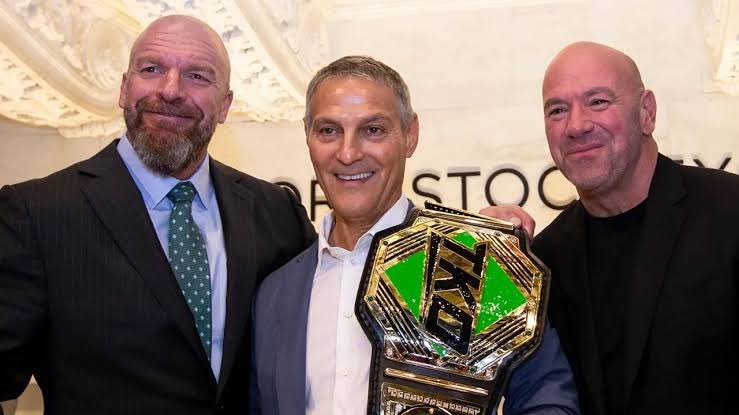
SEC filings compiled by Wrestlenomics’ Brandon Thurston reveal that TKO and WWE executives received massive pay increases from 2024 to 2025 — the same period in which talent was being asked to take cuts:
| Executive | 2024 Compensation | 2025 Compensation | Change |
|---|---|---|---|
| Ari Emanuel (TKO CEO) | $18 million | $67 million | +272% |
| Mark Shapiro (TKO President) | $32 million | $43 million | +33% |
| Nick Khan (WWE President) | $6 million | $24 million | +304% |
The contrast is stark. Ari Emanuel’s compensation increased by $49 million in a single year. Nick Khan’s quadrupled. At the same time, talent — some of whom had signed new contracts within the past 12 months — were being told their deals needed to be restructured downward. The optics have drawn widespread criticism from fans, industry observers, and talent agents.
The New Day’s Departure: What Actually Happened
The New Day’s exit is the emotional centrepiece of the WWE pay cuts story. Kingston and Woods are 13-time WWE Tag Team Champions and one of the most beloved factions in company history. Their departure was handled in a way that drew internal criticism:
Kingston and Woods signed five-year extensions in 2025, reportedly without even exploring offers from AEW or other promotions — a sign of loyalty to WWE. Just one year later, TKO asked them to restructure those deals at reduced rates. Both were given two days to decide. They chose to leave.
WWE moved both men to the alumni section of its website without any public acknowledgment of their contributions. One WWE source told Fightful Select they were “disgusted” by the lack of recognition. A joint statement announcing the departure had apparently been expected internally but never materialised.
Multiple names within AEW have reportedly pushed internally for The New Day to be signed once their 90-day non-compete clause expires in August 2026. Rumours of a digital-only deal that would have kept Woods tied to WWE were dismissed — such an arrangement would have prevented him from working for AEW and cost him millions.
Both Kingston and Woods released statements on May 5, with both insinuating they turned down pay cuts in favour of their releases.
How WWE Pay Cuts Change Contract Negotiations Going Forward
The fallout from the WWE salary cuts extends far beyond the individual wrestlers affected. Sources within both the talent and agent communities told Fightful Select that this situation could fundamentally reshape how wrestlers approach contract negotiations with WWE and TKO.
Trust in long-term deals is eroding. Multiple talents signed new contracts in the past year without exploring the open market, only to have those deals restructured or terminated. The message to the locker room is clear: a WWE contract may not be worth the paper it’s signed on unless it includes no-cut protections.
AEW’s leverage increases. Some agents argued that TKO’s strategy could backfire competitively, making it easier for AEW to sign top talent at lower costs. If wrestlers can’t trust WWE to honour multi-year deals, they’re more likely to test the free-agent market — and AEW becomes a more attractive destination. The New Day is expected to have a robust free-agent market.
The “no-cut contract” becomes essential. Dave Meltzer noted on Wrestling Observer Radio that talent should know when signing a WWE contract that the company can cut them unless the deal specifically includes no-cut language. Going forward, expect more wrestlers and their representatives to demand no-cut clauses, guaranteed money, and protection against mid-contract restructuring.
Updated WWE Departures 2026: Full Count
The combination of releases, pay cut refusals, and contract restructurings has pushed the total number of WWE departures past 29 since WrestleMania 42. The latest additions:
- Kofi Kingston — refused pay cut, released May 2
- Xavier Woods — refused pay cut, released May 2
- JC Mateo (Jeff Cobb) — released May 2
- Tonga Loa — released May 2
These four join the 25 superstars released on April 24, bringing the confirmed total to 29 — with Alvarez warning that more are coming.
What Do The WWE Pay Cuts Mean?
The WWE pay cuts in 2026 expose a fundamental tension at the heart of TKO’s business model. The company is generating record revenue from its Netflix deal ($5 billion over 10 years for Raw alone), ESPN partnership, and international rights — money that flows upward to executives whose compensation has increased by 33% to 304% in a single year. Simultaneously, TKO is pressuring the wrestlers who generate that revenue to accept less.
Whether this is smart cost management or short-sighted greed depends on your perspective. What is undeniable is that the landscape of WWE contracts has changed permanently. Wrestlers will negotiate differently. Agents will demand different protections. And AEW — the only viable alternative employer — gains leverage every time a Kofi Kingston or Xavier Woods walks out the door.
The story is far from over. Alvarez’s warning — “there definitely will be more of these” — suggests additional pay cut requests are already in the pipeline. The question is no longer whether WWE is cutting salaries, but how deep the cuts go and how many more wrestlers choose to leave rather than accept them.
Despite the pay cut controversy, the show goes on — WWE Backlash 2026 tonight in Tampa features six confirmed matches headlined by the highest-paid wrestler on the roster defending his title.
For the latest WWE news and coverage, follow the WWE section on The Dakia.