Mumbai Indians entered the IPL 2026 auction with the smallest purse among all teams, just INR 2.75 crore, and a largely settled squad. They were one of the least active franchises on the night, bidding for only ten players and signing four and left with one of the best squads of IPL 2026. Yet, despite those financial constraints, Mumbai Indians walked away with Quinton de Kock at his base price of INR 1 crore, a move that drew admiration from some quarters and quiet curiosity from others.
This piece does not allege wrongdoing. Instead, it examines whether a series of legal, well-timed decisions may have combined to give Mumbai Indians a structural advantage in securing a player of de Kock’s calibre at a price few expected.
Read complete Mumbai Indians IPL 2026 squad analysis here.
Mumbai Indians IPL 2026 Auction Context
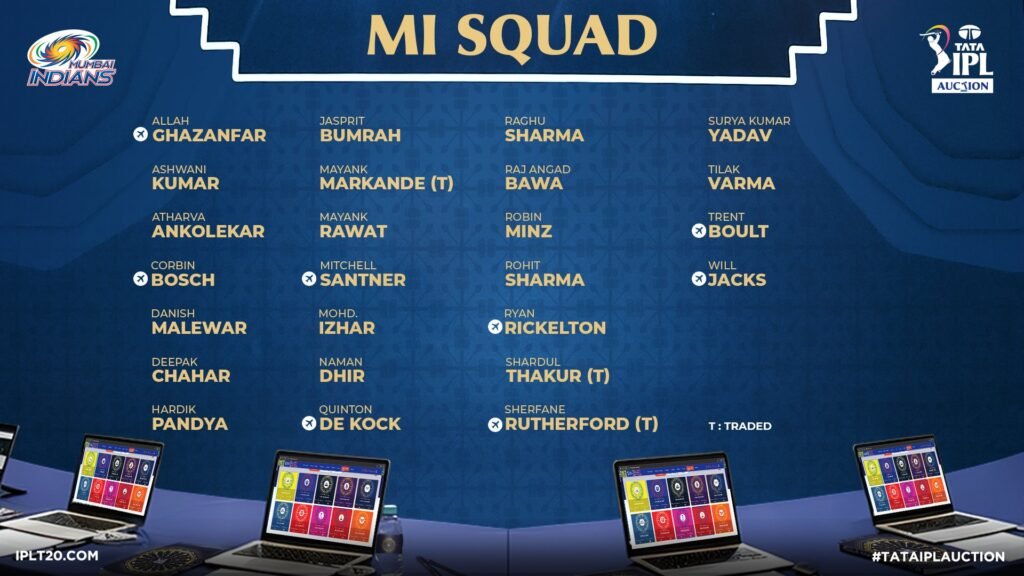
Unlike several franchises chasing multiple fixes, Mumbai Indians arrived at the auction with stability already in place. The core of the squad had been addressed during the trade window, with Sherfane Rutherford, Shardul Thakur and Mayank Markande added earlier. The auction itself was about depth, and MI needed a wicketkeeper with Ryan Rickelton their primary keeper going through a rut and the backup Robin Minz not quite IPL ready yet.
With only five slots to fill and INR 2.75 crore available, Mumbai Indians could not realistically compete for marquee overseas players priced at INR 2 crore or above. That constraint shaped their approach and made base-price opportunities crucial.
Quinton de Kock At INR 1 Crore: Why It Stood Out
Quinton de Kock entering the auction at a reduced base price of INR 1 crore was notable in itself. Traditionally, de Kock has set his base price at INR 2 crore. The same was true for Jonny Bairstow, another senior overseas wicketkeeper-batter, who also opted for a lower base price in IPL 2026.
When de Kock’s name came up early in the auction, there was no bidding war. Mumbai Indians moved quickly and secured him at base price. Bairstow, who appeared later in the auction order, did not attract a bid from MI, largely because their purse situation would not have allowed it after the de Kock purchase.
Former India spinner Ravichandran Ashwin praised the move, suggesting other teams missed a clear opportunity. “I think the Quinton de Kock buy was a good move. I think the other franchises were sleeping on their haunches, and MI snooped it up,” Ashwin said on his YouTube channel.
The Question Of Base Prices And Player Preferences
The key question that has quietly emerged is not about the bidding itself, but about why certain players opted for lower base prices in the first place.
Both Quinton de Kock and Jonny Bairstow reduced their base price to INR 1 crore for IPL 2026. This reduction made them accessible to franchises with limited purses, most notably Mumbai Indians. While players are fully entitled to set their base price strategically, it does raise a broader question.
Did players lower their base prices purely to ensure selection, or were certain franchises informally convey their interest to lower the base prices due to role clarity, familiarity, or team environment?
There is no evidence of any request or arrangement. However, in an auction where base price dictates who can even bid, the decision itself can significantly shape outcomes.
Mumbai Indians have previously found themselves at the centre of debates around structural advantages, most notably during the Hardik Pandya trade from Gujarat Titans. That trade, while fully compliant with IPL regulations, led to discussions about negotiated increases, player preferences, and how much leverage elite franchises carry in private negotiations.
Quinton de Kock A Perfect Fit At Mumbai Indians
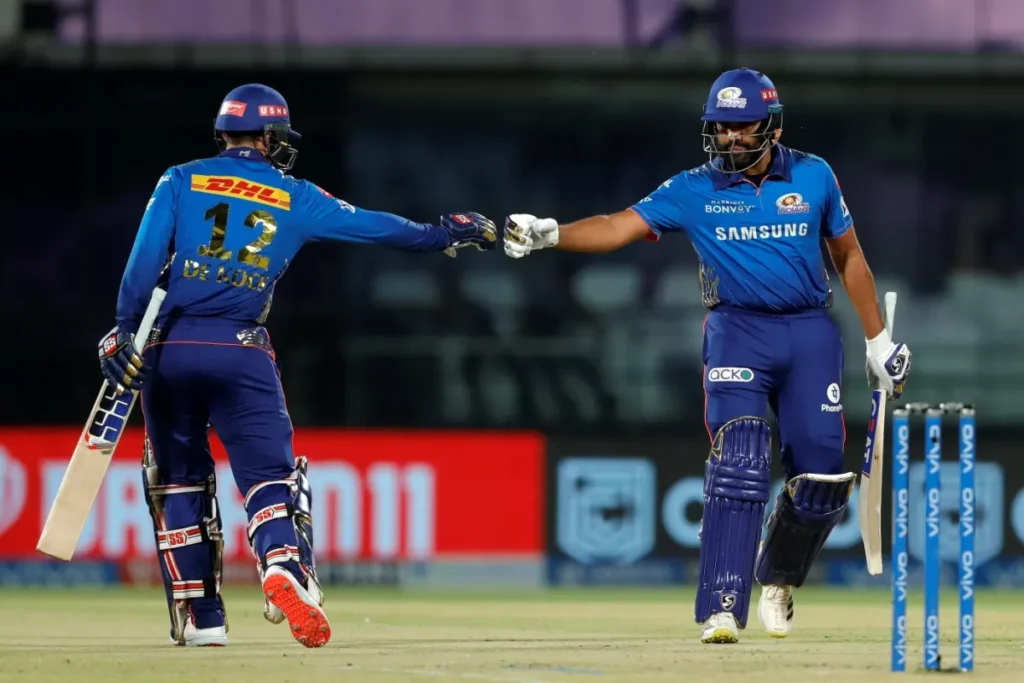
Stripping away the auction mechanics, Quinton de Kock is a logical fit for Mumbai Indians. He brings experience, left-handed balance, wicketkeeping depth, and familiarity with the franchise, having played for MI between 2019 and 2021. He also arrives in strong form, fresh off a 46-ball 90 against India in a recent T20I.
In a squad already packed with all-rounders and bowling options, de Kock allows Mumbai Indians to stabilise the top order without altering their balance.
There is no suggestion that Mumbai Indians violated any rule at the IPL 2026 auction. All actions taken were within the framework laid out by the league. However, the sequence of events does raise an important, broader conversation about how power, preference, and perception intersect in modern IPL auctions.
When elite franchises consistently benefit from timing, reduced base prices, and player familiarity, it is fair to ask whether the playing field is shaped not just by rules, but by relationships and reputation.
That conversation is not about blame. It is about transparency, trust, and ensuring that competitive balance remains the IPL’s greatest strength.
For now, Mumbai Indians have simply done what they have always done well: maximise opportunity when others hesitate. Whether that is brilliance, fortune, or just experience is a question each observer will answer differently.