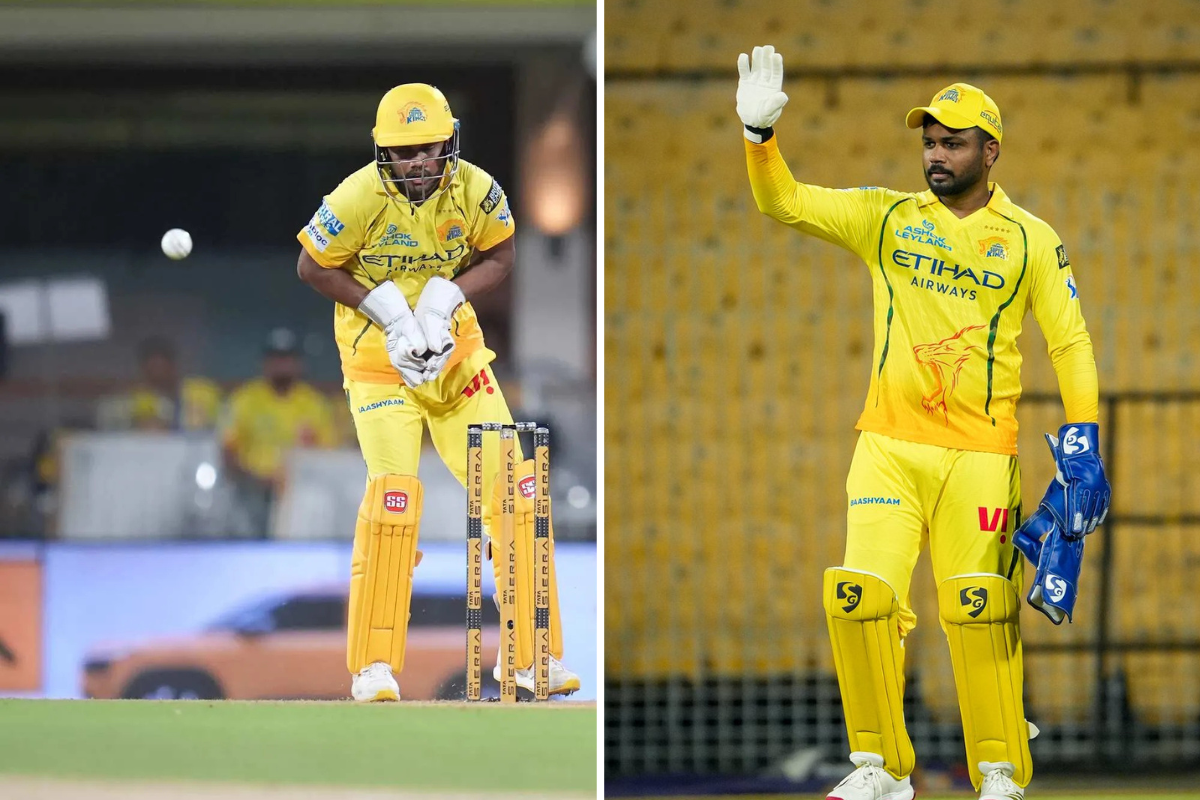
When Delhi Capitals began their chase of 213 against Chennai Super Kings at the M.A. Chidambaram Stadium on April 11, Sanju Samson was not behind the stumps. Instead, 19-year-old Kartik Sharma — who was not even part of CSK’s playing XI — was keeping wickets. Samson returned to his keeping duties from the fourth over of the run chase, but those opening overs raised a question that most fans had never considered: can a substitute fielder actually keep wickets in the IPL?
The answer is yes. And the rule that makes it possible has an interesting history.
The IPL Law That Allows a Substitute Wicketkeeper
The provision sits in Law 24.1.2 of the Laws of Cricket, maintained by the MCC at Lord’s. The law states that a substitute fielder shall not bowl or act as captain, but may act as wicketkeeper only with the consent of the umpires.
This exact clause is mirrored in the IPL’s playing conditions under Clause 24 of the match regulations, which govern fielder absences and substitutes across all Indian Premier League matches.
The key detail is the umpire consent requirement. A substitute cannot simply walk on and put on the gloves. The umpires must be satisfied that the designated keeper’s absence is for an acceptable reason — typically injury, illness or, as in Samson’s case, physical fatigue after batting through an entire innings.
Why Was Sanju Samson Not Keeping Initially?
Samson had batted through all 20 overs of CSK’s innings, scoring an unbeaten 115 off 56 balls with 15 fours and four sixes at a strike rate of 205. It was the first century of IPL 2026 and his fourth overall in the tournament. By the end of the innings, Samson was visibly fatigued and received lower back treatment from the CSK physio on the field.
Rather than rushing him behind the stumps immediately — a position that demands constant crouching, diving and lateral movement in Chennai’s humid conditions — CSK gave him a brief recovery window. Samson was back keeping by the fourth over of the DC chase, confirming that the decision was purely precautionary and not injury-related.
How Was Kartik Sharma Eligible To Keep Wickets?
This is where CSK’s squad management gets clever. Kartik Sharma was not part of the playing XI against DC. He was dropped after managing just 25 runs in his first three IPL appearances, with Dewald Brevis returning from injury to take his spot. However, Kartik was named among CSK’s five designated impact player substitutes for the match.
Under the IPL’s impact player rule, teams name five substitutes alongside their playing XI at the toss. Only one of these five can be introduced as a full impact player — a tactical substitution who can bat, bowl and field as a regular member of the XI. But the remaining four are still available to serve as standard substitute fielders under the Laws of Cricket.
Kartik, being a specialist wicketkeeper-batter — CSK signed him for a record INR 14.2 crore at the IPL 2026 auction — was the natural choice to take the gloves temporarily. The umpires consented, and CSK had a quality keeper behind the stumps without using their impact player substitution.
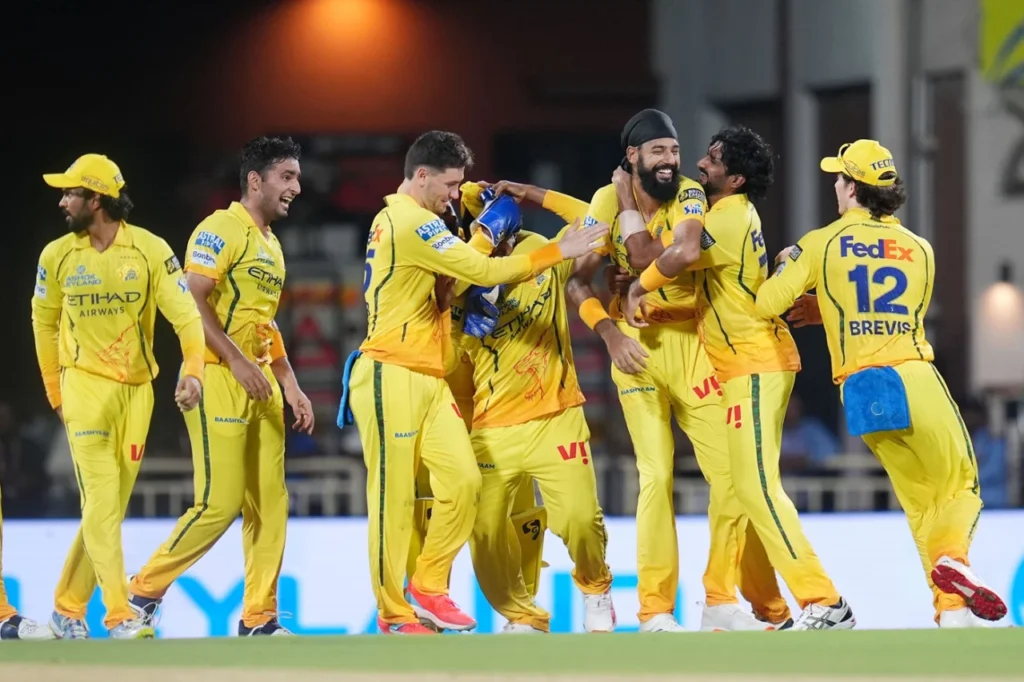
CSK’s Double Benefit: Sub Keeper and Impact Player
The smartest part of this sequence was that CSK did not have to sacrifice their tactical impact player substitution to cover for Samson’s brief absence. They used Kartik as a substitute fielder-keeper for three overs, and separately introduced Akeal Hosein as their actual impact player to open the bowling.
This gave CSK two advantages from the same five-man substitute pool: a specialist keeper covering for Samson’s recovery and a specialist left-arm spinner added to the bowling attack. It is a textbook example of how the interplay between the impact player rule and the standard substitute fielder laws can be used to a team’s benefit.
For a side still searching for their first win of IPL 2026, this kind of resource management matters.
When Was This Rule Introduced?
The provision allowing substitute fielders to keep wicket is relatively recent. Before the 2017 edition of the Laws of Cricket, substitutes were explicitly barred from wicketkeeping. If a team’s designated keeper was injured, one of the remaining ten players from the playing XI had to take the gloves — often an outfielder with no keeping experience.
The MCC amended the law in October 2017 to allow substitutes to keep wicket with umpire approval. The change was designed to address genuine injury situations and prevent teams from being disadvantaged by having a non-specialist behind the stumps. However, the umpire consent requirement was kept specifically to prevent teams from abusing the provision for tactical purposes.
Notable instances of substitute wicketkeeping in international cricket include Dhruv Jurel replacing Rishabh Pant during the Lord’s Test against England in 2025, after Pant hurt his finger attempting to collect a Jasprit Bumrah delivery down the leg side.
Sanju Samson Century: Context Behind the Fatigue
The reason Samson needed that recovery window was the sheer intensity of his innings. After three consecutive failures in the yellow jersey — scores of 6, 7 and 9 in his first three matches — the pressure on the INR 18-crore signing was immense.
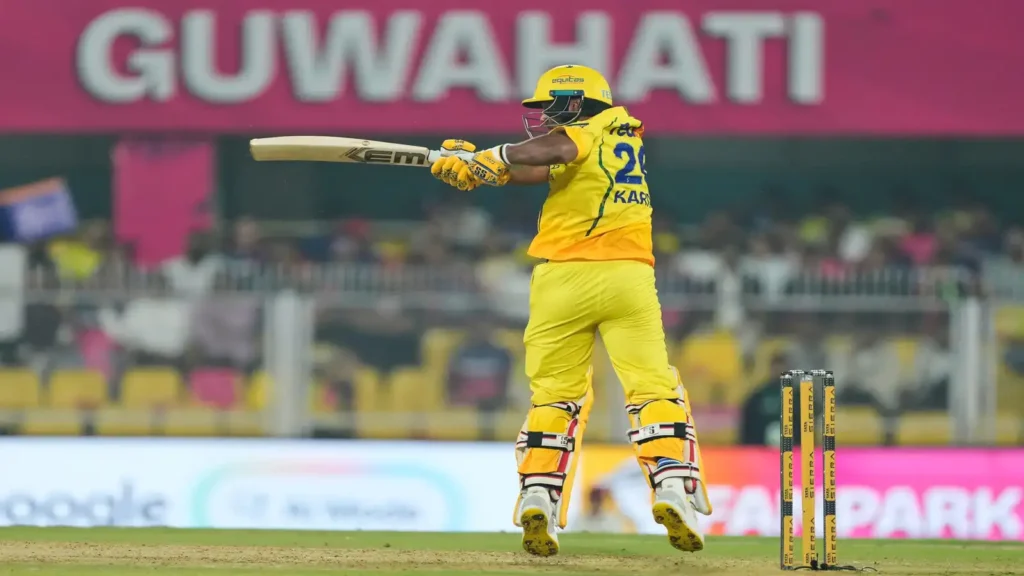
Samson responded with a masterclass. He raced to fifty in 26 balls, brought up his century in 52 deliveries, and finished unbeaten on 115 as CSK posted 212 for 2. His innings featured attacking strokes all around the ground, particularly through the off side, and a century partnership with Ayush Mhatre for the second wicket.
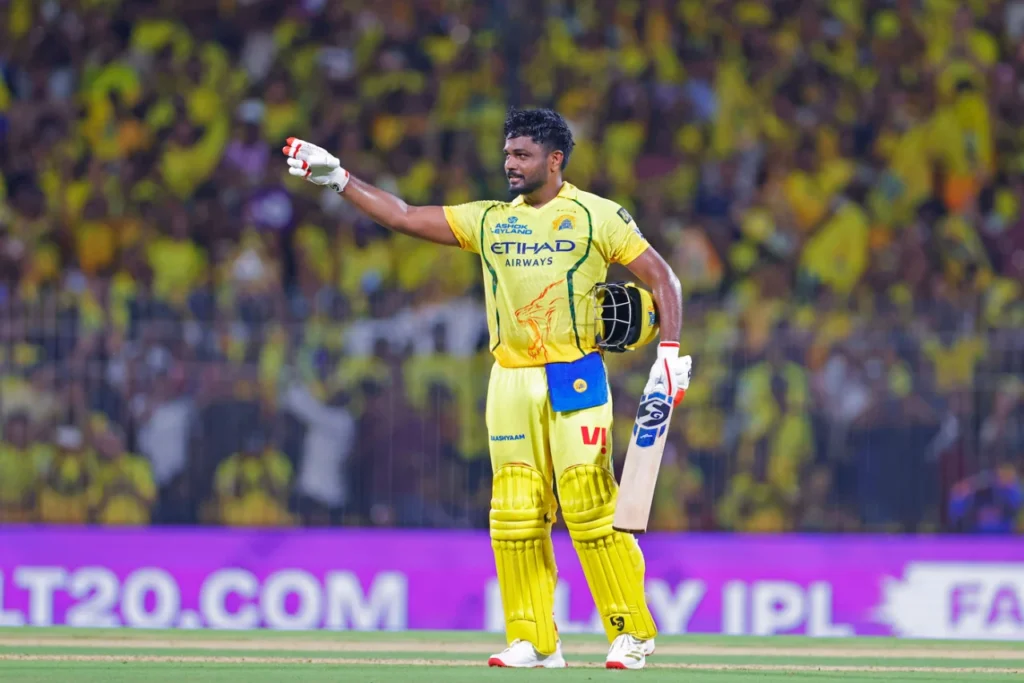
The physical demand of batting through an entire T20 innings — especially as a player who also has to keep wickets — is often underestimated. The brief substitute keeper arrangement allowed Samson to manage his workload intelligently, and his return to the stumps from the fourth over showed that CSK had the situation under control.
With MS Dhoni still recovering from a calf strain, Samson’s fitness and form are more important than ever to CSK’s hopes of turning their season around.
Follow all latest cricket news and updates here on The Dakia.