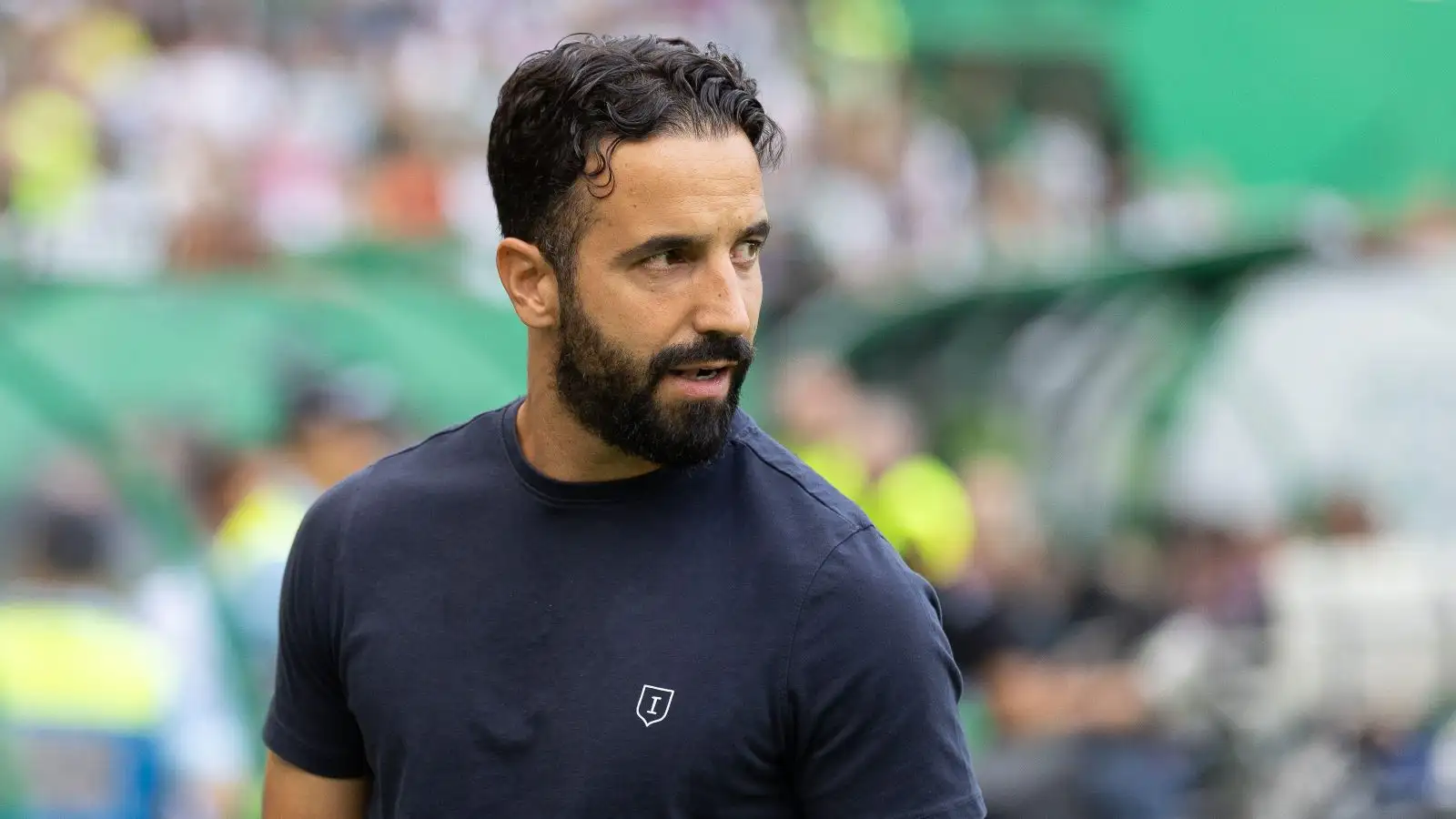
Manchester United confirmed on Monday afternoon that Ruben Amorim has been sacked as manager, bringing an abrupt end to his 14-month tenure at Old Trafford. The decision follows a dramatic internal breakdown between the Portuguese coach and the club’s hierarchy, centering on transfer strategy and authority over football decisions.
The news sends shockwaves through the Premier League and raises urgent questions about the future direction of one of world football’s most high-profile clubs. Interim managerial duties are expected to be handed to United’s Under-18 coach, Darren Fletcher, as the search for a permanent successor begins.
Manchester United Sack Ruben Amorim After Power Struggle
The sacking came following a tense weekend draw at Leeds United and a highly publicised clash between Amorim and director of football Jason Wilcox. Reports suggest that Amorim’s frustration over the club’s transfer policy, particularly the lack of backing during the January window, was the final catalyst for the board’s decision.
Amorim, who joined United in November 2024 on a contract through 2027, had made clear in recent press conferences that he was dismayed by his limited influence on recruitment decisions. At one such pre-match media session, the 40-year-old was widely reported to have challenged his superiors, famously insisting he wanted to be “manager, not just coach,” and publicly urging club officials to “do your job.”
United’s official statement acknowledged the managerial change, citing the club’s current sixth-place position in the Premier League and a desire to give the team the “best opportunity of the highest possible finish.” No official successor has yet been named.
Also Read: Why Ruben Amorim Hooked Ayden Heaven At Half-Time After Costly Yellow Card In Man Utd Slip-Up
Imperfect Record and Internal Tensions at Manchester United
Amorim’s tenure will be remembered as one of turmoil and inconsistency. According to statistics from breaking news reports, he won only 24 of 63 games, leaving the club with a win percentage of approximately 38 per cent — reportedly the worst since Frank O’Farrell in the early 1970s.
Despite some memorable highs — including a rare Old Trafford derby victory and a handful of strong displays — United’s league form never stabilized. Draws and narrow losses left supporters frustrated and pundits critical, with some former players and commentators describing the tenure as a mismatch between tactical philosophy and squad strengths.
The Portugal-born coach also drew fan and media ire for his tactical rigidity, particularly his commitment to a 3-4-3 formation that some argued did not play to the strengths of key United players. Internal sources suggested that philosophical differences between Amorim and senior United executives played a significant role in the breakdown of trust, especially over which players should be brought in and which should be sidelined during crucial transfer windows.
Insiders revealed that disagreements about targets and squad structure had grown so severe that Amorim’s relationship with Wilcox had become untenable, with both parties struggling to find common ground.
Manchester United Enter New Era as Search Begins
With the club now effectively back at square one in its managerial quest, speculation is already rife about who could replace Amorim on a permanent basis. Reports from football media outlets suggest a shortlist that may include high-profile names with Premier League experience, though United have yet to comment on any specific candidates.
For now, Darren Fletcher — a club legend from his playing days — steps into the breach, tasked with steadying a squad that has fluctuated near the European qualification spots but hardly demonstrated championship credentials this season.
Fans and analysts alike will scrutinise the board’s next moves closely. Manchester United’s ownership under Sir Jim Ratcliffe’s INEOS group has repeatedly stressed ambition and long-term strategy, but the quick dismissal of Amorim after internal conflict may raise fresh concerns about the club’s stability and clarity of vision.
As the transfer window opens and the managerial carousel spins into motion, Manchester United’s season and its identity hangs in the balance.