The women’s singles draw for the Australian Open 2026, the first Grand Slam of the tennis season, was released this week at Melbourne Park, igniting discussions about potential blockbuster matchups and defining paths to the Daphne Akhurst Memorial Cup. As women’s tennis continues its evolving narrative with a blend of established stars and rising challengers, the early round pairings and seed placements have painted a compelling picture of the competition to come in Melbourne from January 18 to February 1, 2026.
Top Seeds and Key Matchups
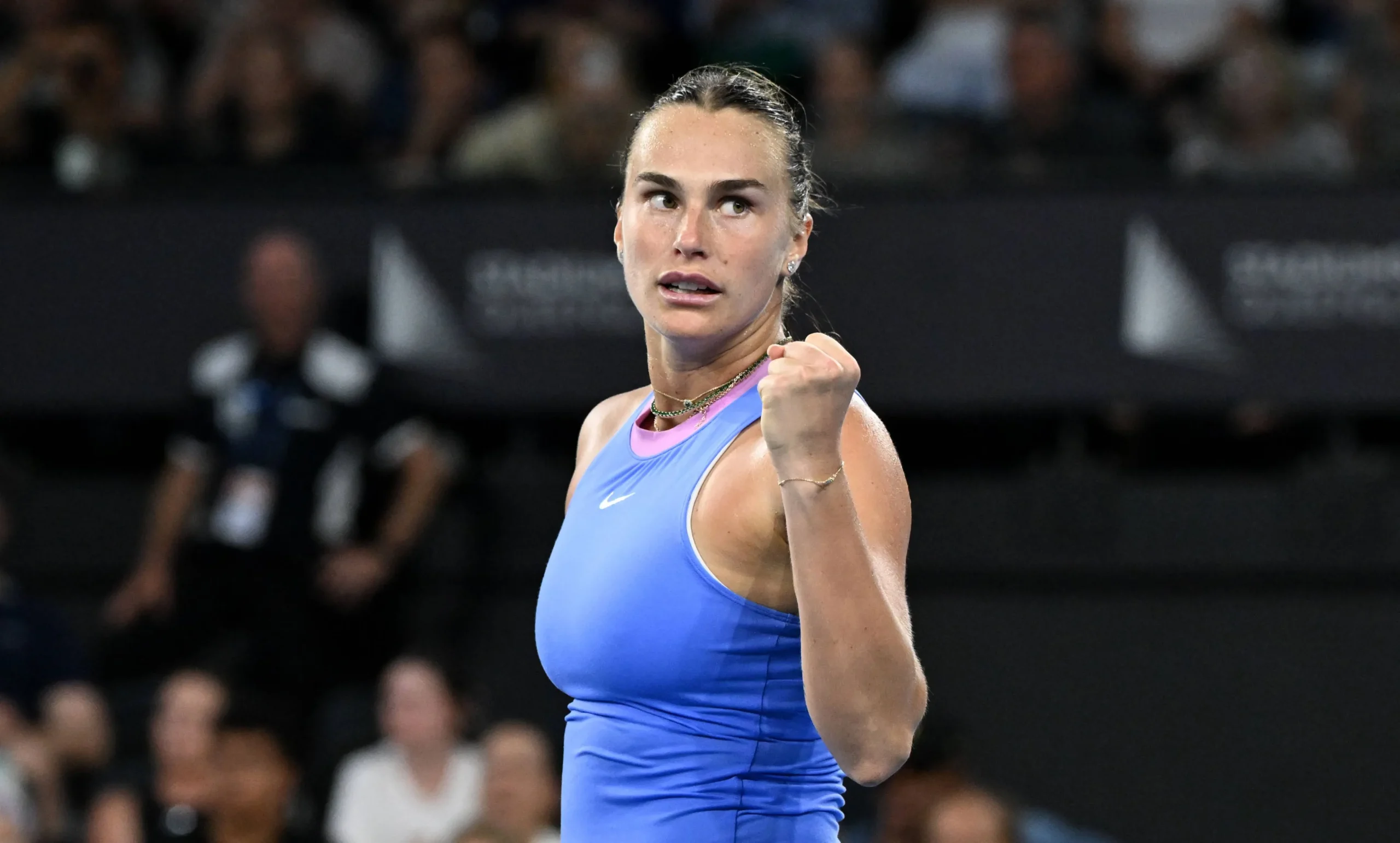
Heading the women’s draw is World No. 1 Aryna Sabalenka, seeded at the top spot and beginning her title bid against French wildcard Tiantsoa Sarah Rakotomanga Rajaonah. Sabalenka has entered Melbourne at the peak of her form, after an impressive off-season that included defending her Brisbane International title, reinforcing her status as one of the game’s most dominant players.
Second seed Iga Swiatek has also been placed among the favorites, opening her campaign against a qualifier. While her initial match may appear straightforward on paper, tougher obstacles loom ahead, particularly a potential fourth-round clash with two-time Australian Open champion Naomi Osaka, whose own path could pitch her deep into contention should she advance.
The draw’s third seed, Coco Gauff, is positioned in the same half as Sabalenka and could face a nostalgic and high-profile second-round match against Venus Williams, who has received a wildcard for her remarkable 22nd appearance at Melbourne Park. Gauff, one of the sport’s brightest young talents, will open her campaign against Kamilla Rakhimova, with the possibility of encountering Williams early, setting up a storyline that bridges generations.
American tennis remains well-represented in the bottom half of the bracket, with players like Madison Keys (defending champion), Amanda Anisimova, and Jessica Pegula all in positions that could lead to significant late-round showdowns. Keys, seeded ninth, may meet Pegula in a projected fourth-round encounter, while Anisimova, seeded fourth, begins her run against Switzerland’s Simona Waltert, with fellow former major champion Sofia Kenin also lurking in her section.
Also Read: Australian Open 2026 Men’s Singles Draw Top Seeds Revealed
Emerging Talents, Wildcards and Challengers
Beyond the marquee names, the Australian Open women’s draw features a blend of rising stars, qualifiers, and wildcards that could make early impacts. Emerging Turkish prospect Zeynep Sönmez clinched her place in the main draw by upsetting Anastasia Gasanova in the final round of qualifying, adding an element of unpredictability to the opening rounds. Another notable qualifier is Ukraine’s Anhelina Kalinina, who emphasized her “mental toughness” as a key strength heading into Melbourne.
Australian players also feature in the draw with opportunities to advance on home soil. Maya Joint, seeded 30th, faces young Czech Tereza Valentova in her opener, a match that will test her early momentum. Should Joint progress, she may encounter Elena Rybakina in the third round, presenting both a challenge and a chance to inspire local fans.
Veteran wildcard entries include Venus Williams, whose participation at 45 exemplifies her enduring presence in the sport. Although Williams has faced early exits in recent warm-up events, her Melbourne campaign adds a fascinating subplot to this year’s tournament. Other wildcard entries such as Zarina Diyas, Talia Gibson, Priscilla Hon, Elizabeth Mandlik, Taylah Preston, and Tiantsoa Rakotomanga Rajaonah enrich the field, bringing a mix of experience and fresh energy to the competition.
Also Read: Australian Open 2026: Live Streaming, Telecast, Seeds, Format, Date, Schedule, Prize Money and More
Australian Open 2026 Women’s Singles Draw Dynamics and Potential Paths
The structure of the women’s draw ensures that top seeds are protected from meeting each other until the later rounds, setting up potential quarterfinal or semifinal blockbuster clashes. Sabalenka’s placement at the top of the field positions her for a projected deep run, but she could be tested by strong challengers like Elena Rybakina and Anastasia Pavlyuchenkova in the middle rounds. Swiatek’s bottom half path similarly includes high-caliber threats and possible early tests that could shape her progression.
Coco Gauff’s quarter of the draw, moreover, stands out for its blend of homegrown interest and historical intrigue with Venus Williams. While Gauff’s technical strengths and power game make her a formidable contender, her path will not be without obstacles as she may face in-form players like Olga Danilovic in the early rounds and seasoned campaigners if she progresses.
In the bottom half, the American contingent — Keys, Pegula, and Anisimova — could produce multiple high-stakes matches, with each player bringing distinct strengths, from Pegula’s baseline consistency to Keys’ aggressive all-court play. For all competitors, navigating the Australian Open draw will demand adaptability and peak performance under the unique conditions of Melbourne’s hard courts.
As the tournament approaches its January 18 start date, players and fans alike are zeroing in on first-round matches and the potential marquee clashes ahead. The women’s singles draw at the Australian Open 2026 brings together elite talent, rising stars, and captivating narratives that promise thrilling competition. Whether Sabalenka defends her top seed charge, Swiatek fights through a challenging bottom half, or breakthrough runs emerge from unexpected corners of the draw, Melbourne Park is poised for two weeks of dramatic tennis at the year’s first Grand Slam.